
Introducing a New Partner to Your Children: When Is the Right Time?

- This blog contains affiliate links, which we may receive a commission for purchases. The decision is yours, whether or not you decide to buy
- When should children meet a new partner after divorce or separation?
- How can parents make introductions feel less stressful for children?
- What mistakes should separated parents avoid when blending relationships and family life?
Starting a new relationship after divorce or separation can bring excitement, hope and a sense of moving forward. Yet for parents, those feelings are often accompanied by anxiety about one important question - when is the right time to introduce a new partner to the children?
For many families, this stage can feel emotionally delicate. Parents may worry about confusing children, creating instability or moving too quickly, while children themselves may still be adjusting to changes in family life.
There is no perfect formula for introducing a new partner. Every family situation is different. However, approaching the process slowly, honestly and thoughtfully can help children feel safer and more emotionally secure during a significant transition.
When Should Children Meet a New Partner?
There is no fixed timeline that works for every family, but most experts agree that emotional stability matters more than speed.
Introducing a new partner too early can become difficult if the relationship does not last. Children, especially younger ones, may become attached quickly and feel confused or disappointed if relationships change suddenly.
In many cases, it is healthier to wait until:
- the relationship feels stable and serious
- children have had time to adjust to the separation
- family routines are more settled
- emotions surrounding the breakup feel less intense
Parents sometimes rush introductions because they are excited or eager to feel that life is moving forward. Yet children often need more time than adults realise to process emotional change.
A slower approach can help protect both the relationship and the children’s sense of security.
Why Children May Find It Difficult
Even if children like a new partner, the situation can still feel emotionally confusing.
Some children worry that:
- they are being asked to replace the other parent
- family life is changing again
- they will lose time or attention
- they must immediately accept the relationship
- expressing uncomfortable feelings may upset a parent
Children may also quietly hope their parents will reunite, even long after separation.
Reactions can vary depending on:
- age
- personality
- emotional maturity
- the level of conflict during separation
- how secure children currently feel
A child appearing withdrawn, angry or resistant does not automatically mean they dislike the new partner. Often, they are simply trying to adjust emotionally to another major change.
How to Introduce a New Partner Gradually
First meetings usually work best when there is very little pressure attached to them.
Rather than organising a highly emotional “announcement,” it is often healthier to keep introductions casual and relaxed.
This might include:
- meeting briefly for coffee or lunch
- spending time together in a neutral setting c
- hoosing low-pressure family activities
- avoiding overnight stays initially
- allowing children to adjust gradually
Children tend to cope better when relationships are introduced naturally rather than forced too quickly.
Healthy blended family relationships are usually built through repeated small interactions over time rather than instant closeness.

Avoid Moving Too Quickly
One of the most common mistakes parents make is expecting children to adapt emotionally at the same pace as adults.
A relationship that feels serious to you may still feel unfamiliar or unsettling to a child.
Moving too fast can sometimes create:
- emotional withdrawal resentment
- anxiety
- oyalty
- conflicts
- behavioural changes
This is particularly important if children have already experienced instability during separation or divorce.
Patience matters enormously during this stage. Children often need reassurance that family relationships remain secure even as life changes around them.
Should You Tell Your Ex-Partner?
Where possible, respectful communication between co-parents can help reduce confusion and tension for children.
This does not mean asking permission to move on. However, informing the other parent before introductions happen can sometimes prevent children feeling caught in the middle of adult emotions or conflict.
The focus should remain on:
- emotional stability for the children
- consistency between homes where possible
- reducing unnecessary tension around family changes
Children generally cope far better when they are protected from adult hostility and relationship conflict.
Supporting Children Emotionally
Children need reassurance that:
- they are still loved and important t
- hey are not being replaced
- their feelings are allowed and respected
- family relationships remain secure
Listening calmly is often more helpful than trying to persuade children to feel positive immediately.
Parents sometimes become defensive because they fear rejection of the new relationship. Yet children usually adjust better when they feel emotionally heard rather than dismissed.
Introducing a new partner is rarely a single moment. More often, it is a gradual emotional adjustment that takes time for everyone involved.
Building Healthy Blended Families Takes Time
Strong blended family relationships are rarely created overnight.
Trust, comfort and emotional connection usually develop slowly through consistency, patience and shared experiences.
Trying to force closeness too quickly can create resistance. Allowing relationships to evolve naturally often creates healthier long-term family bonds.
For many parents, balancing personal happiness with parental responsibility can feel challenging. However, healthy relationships after separation are possible without sacrificing children’s emotional wellbeing.
Conclusion
Introducing a new partner to children after divorce or separation is rarely simple. It is a process that requires patience, emotional awareness and realistic expectations from everyone involved. There may be awkward moments, uncertainty and periods of adjustment. That does not mean things are going wrong. In many cases, children simply need time to feel emotionally secure again. The goal is not to create a perfect blended family overnight. More often, it is about building trust gradually, maintaining stability and allowing new relationships to develop at a pace that feels emotionally safe for everyone involved.
Disclaimer: This blog post is for informational purposes only and is not a substitute for professional advice or treatment. The author and publisher do not guarantee the accuracy or completeness of the information and are not liable for any damages resulting from its use. Please consult a qualified professional for advice specific to your situation.
PHOTO: RON LACH
You may also like
Books
Buy now from Amazon
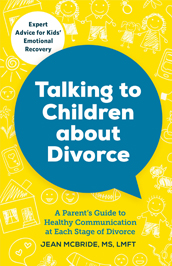
.jpg)
Podcast
Kate Daly is co-founder of amicable and host of the The Divorce Podcast. Kate created The Divorce Podcast to discuss and demystify divorce, separation and co-parenting in the UK. In each episode, Kate is joined by experts in their field to explore divorce and separation from every angle.

Articles
Parenting professionals
Related Posts
-

Co-Parenting Across Distances in the UK: Practical Solutions for Separated Families
-

How to Create a Parenting Plan in the UK: Questions Parents Ask
-

Managing Children’s Screen Time in Shared Custody: A Practical Guide for UK Parents
-

Creating a Child-Centered Holiday Plan After Divorce: Minimising Stress and Maximising Joy
-

Successful Co-Parenting After Divorce: A Practical Guide for Separated Families
Categories
Get My Free Download