
Stepfamily Rules That Actually Work

- This blog contains affiliate links, which we may receive a commission for purchases. The decision is yours, whether or not you decide to buy
Practical guidance for building a stable blended family
Stepfamily Rules That Actually Work Practical guidance for building a stable blended family Creating household rules in a stepfamily can feel challenging at first.
Children may already be used to different routines. Parents may have different expectations about discipline, chores or screen time. When families come together after separation or divorce, these differences can quickly create tension if expectations are unclear.
The good news is that stepfamilies do not need complicated systems to work well. In most cases, clear, fair and consistent rules help children feel more secure and help parents manage daily life more easily.
Stepfamilies are increasingly common in the UK. According to the Office for National Statistics, more than 1 million children in England and Wales live in stepfamilies, meaning many parents face the same challenges when blending households.
With realistic expectations and thoughtful planning, stepfamily rules can help create a home where everyone feels respected.

Key Questions Parents Often Ask
Should stepfamilies create completely new rules?
Not always. Keeping some familiar routines can help children feel secure, while introducing a few shared expectations helps build unity in the new household.
Who should enforce rules in a stepfamily?
In the early stages, children usually respond best when their biological parent leads discipline while the stepparent focuses on building trust.
Why do children resist new rules?
Children may feel protective of their routines or worry about losing their place in the family. Gradual changes and clear communication usually make adjustment easier.
Why Household Rules Matter in Blended Families
Rules create structure and predictability. For children who may already be adjusting to new family dynamics, this stability can be extremely important.
Without clear expectations, small issues can easily become larger conflicts. Children may feel unsure about boundaries, while parents may struggle to manage behaviour consistently.
Many families discover that early challenges are simply part of adjusting to stepfamily life, something explored in Is Stepfamily Life What You Expected.
Simple household rules help everyone understand what is expected, reducing misunderstandings and stress.
Five Stepfamily Rules That Workn Many in May Homes
Most successful blended families start with a few simple rules that apply to everyone in the household.
Examples include:
- Speak respectfully to everyone in the home Children and adults should treat each other with respect, even during disagreements.
- Ask before borrowing personal belongings This helps prevent conflict between siblings and step siblings.
- Help with shared household chores Simple tasks such as clearing dishes or tidying shared spaces encourage responsibility.
- Follow agreed screen time limits Clear technology rules can prevent daily arguments.
- Respect personal space and quiet time Children may need time alone to adjust to the new family structure.
Keeping rules simple makes them easier to understand and follow.
Involve Children in the Conversation
Children often cooperate more when they feel their opinions are heard.
Parents may find it helpful to have a family discussion about the new household routines. This gives children an opportunity to ask questions and express concerns.
Parents still make the final decisions, but involving children in the process can increase acceptance and reduce resistance.
This type of communication also helps support the emotional transition into blended family life, which is explored in How To Embrace A New Stepfamily.
Let the Biological Parent Lead Discipline First
One of the most common sources of tension in stepfamilies occurs when a stepparent takes on a disciplinary role too quickly.
Many family experts recommend that biological parents initially handle discipline and rule enforcement. This allows the stepparent to focus on developing trust and building a positive relationship with the child.
Over time, as relationships strengthen, parenting roles may naturally become more shared.
Families often find that strong relationships develop gradually, something discussed further in How Long Does It Really Take to Bond as a Stepfamily.
Accept That Adjustment Takes Time
Children rarely accept new household routines immediately. Adjustment may take weeks or even months as everyone settles into new patterns.
Patience, consistency and calm communication are usually more effective than strict enforcement.
Research from the UK charity Family Lives suggests that successful stepfamilies often develop gradually as trust builds through everyday interactions.
Understanding this process can help parents reduce pressure and allow relationships to grow naturally.
Respect Differences Between Two Homes
Many children divide their time between two households after divorce or separation.
Rules in each home may differ, which can sometimes create confusion for children.
While consistency is helpful, it is also important to recognise that children may experience different routines with each parent. Clear explanations and reassurance help children adjust without feeling caught between competing expectations.
Financial and practical responsibilities in blended families are explored further in Divorce, Step Children and Financial Responsibilities.
Build Respect Rather Than Strict Control
The most successful stepfamilies often focus less on authority and more on creating a respectful environment.
Children who feel listened to and treated fairly are usually more willing to cooperate with household expectations.
Over time, shared experiences such as family meals, outings and conversations can help strengthen relationships.
These everyday moments often play a bigger role in family harmony than strict rules alone.
Frequently Asked Questions
How many rules should a stepfamily have?
Starting with a small number of clear rules usually works best. Too many new expectations can overwhelm children during the adjustment period.
Should step siblings follow the same rules?
Where possible, shared household rules should apply to everyone. This helps prevent resentment and reinforces fairness.
What if children refuse to follow rules?
Resistance is common during transitions. Calm conversations, consistent expectations and patience usually help children adjust.
Can stepparents discipline children?
Many families find it helpful if the biological parent leads discipline at first while the stepparent builds trust and connection.
Do rules help stepfamilies bond?
Yes. Clear expectations reduce misunderstandings and help create a stable environment where relationships can grow.
Related Articles
You may also find these guides helpful:
- How Long Does It Really Take to Bond as a Stepfamily
- Moving In Together After Divorce With Children
- How To Embrace A New Stepfamily
- Is Stepfamily Life What You Expected
- Divorce, Step Children and Financial Responsibilities
Sources
Office for National Statistics Children in families in England and Wales, Census 2021 https://bit.ly/4m65vfe
Family Lives Blended families advice and guidance https://www.familylives.org.uk
Disclaimer: This blog post is for informational purposes only and is not a substitute for professional advice or treatment. The author and publisher do not guarantee the accuracy or completeness of the information and are not liable for any damages resulting from its use. Please consult a qualified professional for advice specific to your situation.
PHOTO: KAMPUS PRODUCTION
You may also like
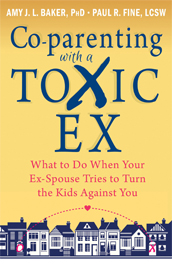
Parenting books
Buy now from Amazon
.jpg)
.jpg)
Podcast
If you’re looking for some straight-up, positive advice on topics that affect your daily life, then check out The Sue Atkins Parenting Show. Each week Sue bare will discuss every possible aspect of your parenting challenges, from weaning to whining, boundaries round technology to stroppy teens. You’ll get practical tips, techniques and advice that really work- and it’s all totally free.

Articles
- 5 Ways To Parent With A Narcissist
- How To Be Great Parents Through Separation And Beyond
- Divorce From A Child's Perspective
Videos
Practical advice and tips from professionals on what to do with issues and challenges around divorce from parenting to finance.
Events
Practical tips & advice designed to help people going through divorce, whether online or in person.

Useful links
Here's a selection of organistaioins from parenting to finance to help you with your divorce.
.jpg)
Parenting professionals
Related Posts





Categories
Get My Free Download