
Coping With Resistance From Children in a Stepfamily

- This blog contains affiliate links, which we may receive a commission for purchases. The decision is yours, whether or not you decide to buy
- Why are my stepchildren resisting my involvement?
- How can I encourage trust and cooperation?
- What are the best strategies for overcoming conflict in a stepfamily?
Children may resist a step-parent or new sibling for many reasons: loyalty to their biological parent, fear of change, or simply needing time to adjust. Understanding why resistance occurs and having clear strategies can make transitions smoother.
According to Family Lives, around 40% of blended families report initial difficulties with child adjustment, highlighting the importance of structured support.
Step 1: Understand the Reason for Resistance
Understand the root causes: Observe behaviour without judgment. Resistance can appear as withdrawal, arguing, or testing rules. Recognising the reason behind the behaviour is the first step to improving relationships, especially when following routines and expectations outlined in Stepfamily Rules That Actually Work.
Step 2: Build Trust Gradually
Gradual trust-building: Use consistent, fair, and predictable actions. Respect the child’s space and allow them to set the pace of the relationship. Emotional acceptance strategies can be explored further in How To Embrace A New Stepfamily.
Step 3: Maintain Communication
With the Biological Parent Coordinate with the other parent: Keep open, honest communication to align approaches and avoid mixed messages. Planning routines together helps children feel secure, as described in Moving In Together After Divorce With Children.
Step 4: Use Shared Activities to Reduce Tension
Encourage positive shared experiences: Start with small, enjoyable activities such as walks, board games, or cooking together. Practical ideas are also available in How To Introduce Step Siblings Successfully. Internal link: How To Introduce Step Siblings Successfully – /how-to-introduce-step-siblings-successfully
Step 5: Keep Expectations Realistic
Patience is essential: Understand that resistance is normal. Progress may be slow, and small improvements are still meaningful.

Frequently Asked Questions (FAQ)
Q: How long will resistance last?
A: Most children begin to accept new step-relationships within 6–12 months, though some may take longer.
Q: Should I confront the child about their behaviour?
A: Only calmly and constructively — avoid power struggles.
Q: How do I know if resistance is serious?
A: Persistent aggression, fear, or withdrawal may require guidance from a family counsellor.
Sources & References
Family Lives – Blended family guidance https://www.familylives.org.uk
Office for National Statistics – Children in families, Census 2021 bit.ly/3NX4MR1
Disclaimer: This blog post is for informational purposes only and is not a substitute for professional advice or treatment. The author and publisher do not guarantee the accuracy or completeness of the information and are not liable for any damages resulting from its use. Please consult a qualified professional for advice specific to your situation.
PHOTO: PRAGYAN BEZBARUAH
You may also like
Parenting books
Buy now from Amazon

.jpg)
- Divorce & Money: Make the Best Financial Decisions During Divorce
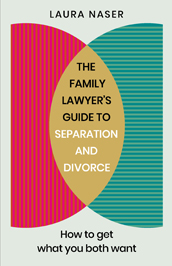
- The Family Lawyer’s Guide to Separation and Divorce: How to Get What You Both Want
- Parenting Apart
Podcast
Double award-nominated relationship podcast as seen on ITV's Loose Women. The Divorce Social is a light-hearted yet penetrative interview show about break ups & divorce. Hosted and created by author, actor and broadcaster Samantha Baines.

Articles
- Finances On Divorce – What Is A Mesher Order?
- How Are Finances Divided On Divorce?
- 10 Divorce Survival Strategies For Women
Videos
Practical advice and tips from professionals on what to do with issues and challenges around divorce from parenting to finance.
Events
Practical tips & advice designed to help people going through divorce, whether online or in person.

Useful links
Here's a selection of organistaioins from parenting to finance to help you with your divorce.
.jpg)
Coaching | Counselling professionals
Related Posts





Categories
Get My Free Download